Post-Bariatric Surgery
Body contouring after massive weight loss
Process Overview

3 Hours

1 Night

2

6-8 Months

6-8 Months
What Is Post-bariatric Plastic Surgery?
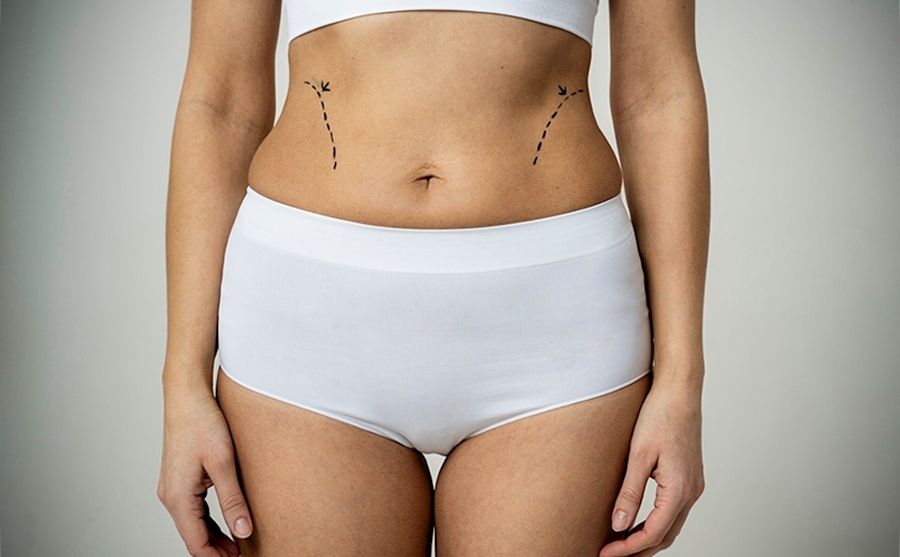
Post-bariatric plastic surgery refers to a set of procedures aimed at removing excess skin and reshaping the body after massive weight loss, often following bariatric surgery. The concept of safe body contouring follows a strategic sequence: patient preparation, careful tissue removal, and layered closure, combined with meticulous intraoperative and postoperative protocols. Patients are thoroughly evaluated beforehand, and if their health status permits, surgery is performed with comprehensive measures to reduce complications such as infection, blood clots, or wound separation.
Throughout surgery, advanced patient monitoring ensures safety and stable vitals. Postoperative follow-up plays a vital role in identifying and addressing early warning signs of complications. Infection risk is minimized with antibiotics, while bleeding is controlled using surgical solutions and medications. To prevent deep vein thrombosis, proper patient positioning, anti-embolism stockings, early mobilization, and heparin injections are used. Large areas of skin are often removed, and meticulous suturing techniques are applied to encourage smooth healing and minimize scarring. In some cases, ultrasound-assisted liposuction or skin-tightening technologies may be combined. These surgeries require detailed planning and execution to optimize patient safety and body transformation.
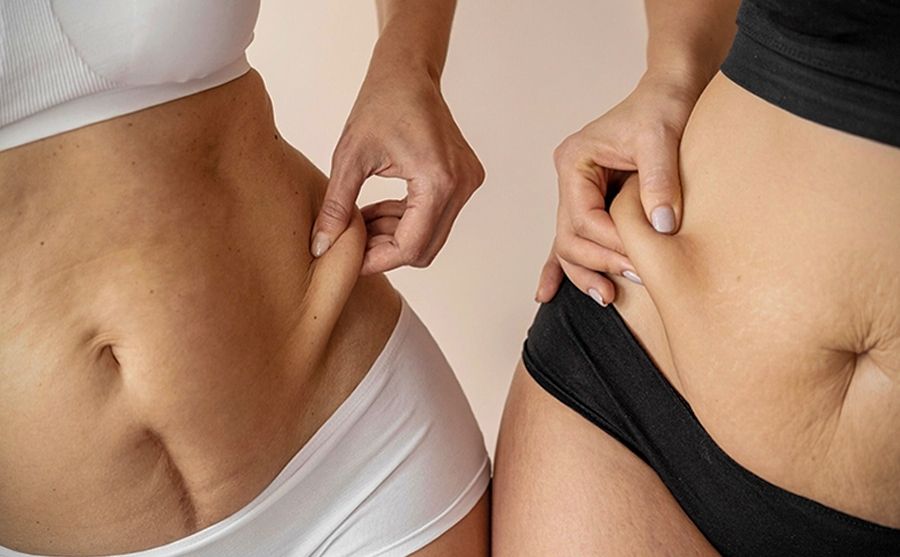
How Can I Turn Excess Skin Into A Balanced Body Shape?
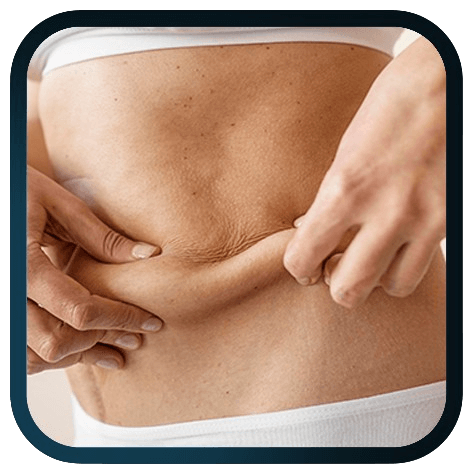
After significant weight loss, many patients are left with redundant, hanging skin in areas like the abdomen, arms, thighs, back, and chest. This can lead to hygiene issues, limited mobility, and discomfort. Post-bariatric surgery aims to remove these folds and reshape the body. Depending on the needs, combinations of procedures—such as tummy tuck, lower body lift, arm lift, thigh lift, or breast lift—may be performed. Each patient’s problem areas and goals are assessed individually.
The objective is not only to remove the excess skin but also to achieve proportional, aesthetic contours. When necessary, liposuction is used to improve transitions between treated and untreated areas. The focus is on achieving smoother lines, better garment fit, and physical ease. Skin with poor elasticity may be further treated with J-Plasma or other energy-based devices to improve results. All procedures are customized to reflect the patient’s body type, medical history, and personal goals for the most satisfying and safe outcome possible.


“I went for 360 lipo, BBL and arm lipo in August 2023 and I was so impressed at the ease of travel (UK to Istanbul). Hospital and hotel were both spotless and modern. Dr Ersin was so lovely and a very friendly team around him. Dr Ersin was reassuring and I trusted him to create the best shape for my body.”
“I cant express how happy I am by choosing Dr. Ersin. I think everybody who wants to get plastic surgery done knows how hard and confusing it can be to find the right Dr. We are already paying a lot of money most of us are saving up for a long time and then there’s always the fear of something going wrong or being botched. I choose Dr Ersin because of his great reviews and before and after pictures. I did BBL 360 lipo with j plasma skin tightening and arm lipo.”
“Great doctor had a good experience with dr ersin he’s hands are like magic he guided me right through the surgery and also the after care the whole team always checked in when I got back to london. I would defo recommend him he done a gd job”
“I visited Dr Gonullu for TT with muscle repair, 360 lipo and arm lift at the end of March. I am now 8 weeks post op and and healing well, I have had a absolutely no issues or complications post op.Dr Gonullu has changed my body shape completely whilst still looking natural & in proportion with all the areas that I didn’t have treated – I have droppped 2 dress sizes after my procedure!”
Who Is A Candidate For Post-bariatric Plastic Surgery?
Post-bariatric plastic surgery is ideal for individuals who have lost a significant amount of weight (often 50 pounds or more) through bariatric surgery or other weight loss methods. The procedure is suitable for those who are in good overall health, have maintained their weight loss for a stable period (typically 6 months to a year), and are seeking to address the excess skin left behind from the weight loss. Ideal candidates are:
- Individuals who have undergone bariatric surgery: After bariatric surgery, many patients find that they lose a significant amount of weight, but excess skin remains.
- Those who have lost a large amount of weight through diet and exercise: Weight loss through non-surgical methods can also lead to skin laxity, which post-bariatric surgery procedures can help address.
- People with realistic expectations: It’s important that patients understand the outcomes of post-bariatric surgery and have realistic expectations about their results.
Patients who are not yet at their goal weight or who still plan on losing more weight are usually advised to wait until they’ve reached their stable weight before undergoing post-bariatric plastic surgery. This ensures optimal results and avoids complications related to additional weight loss after surgery.
Types Of Post-bariatric Plastic Surgery Procedures
Several surgical options are available for post-bariatric patients, depending on the areas of excess skin. The most common procedures include:
- Abdominoplasty (Tummy Tuck)
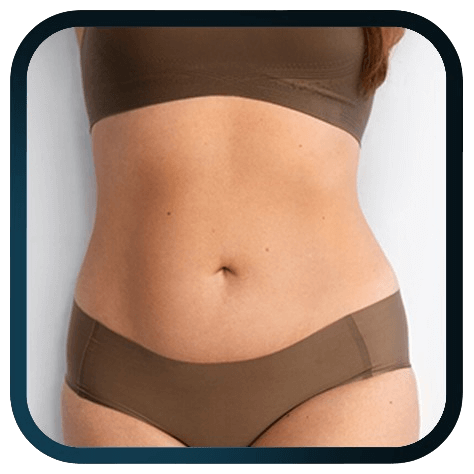
One of the most popular post-bariatric procedures, the tummy tuck involves the removal of excess skin and fat from the abdominal area. The procedure tightens the underlying muscles and smooths the abdominal contour. This helps restore a flatter, more toned appearance to the stomach area. - Body Lift
A body lift is a comprehensive procedure that addresses both the upper and lower body, removing excess skin from the abdomen, thighs, and buttocks. This procedure can be combined with other surgeries to achieve a more youthful and balanced body contour. - Arm Lift (Brachioplasty)
An arm lift targets excess skin and fat in the upper arms, which is common after significant weight loss. The surgeon removes the sagging skin, resulting in smoother, tighter arms. - Thigh Lift
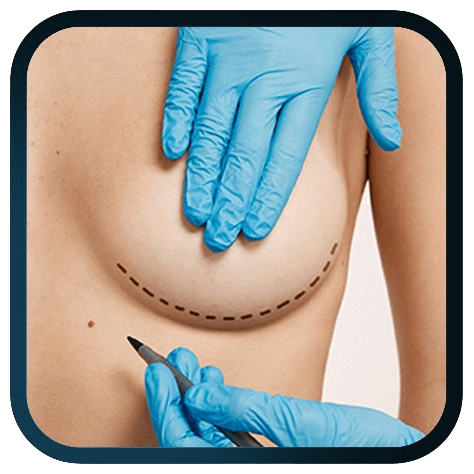
A thigh lift removes excess skin and fat from the inner and outer thighs. This procedure helps to tone and tighten the thighs, making them appear more contoured and youthful. - Breast Lift (Mastopexy)
After significant weight loss, the breasts often lose volume and shape. A breast lift can restore the breasts to a more youthful position by removing excess skin and reshaping the breast tissue. - Facelift
Excess skin around the face and neck can be addressed with a facelift. This procedure tightens the skin, reduces sagging, and creates a smoother, more rejuvenated facial appearance. - Liposuction
Liposuction may be used in combination with other procedures to remove stubborn pockets of fat that are resistant to diet and exercise. This helps enhance the overall body contour after significant weight loss.
How Is Post-bariatric Surgery Performed?
Post-bariatric plastic surgery is typically performed under general anesthesia in a hospital or accredited surgical center. The procedure involves making carefully placed incisions to remove excess skin and fat. The surgeon will tighten the underlying tissue and may reposition the muscles, depending on the specific procedure. The surgery may last from 2 to 6 hours, depending on the number of areas being treated.
- Preparation:
Prior to surgery, patients will undergo a thorough consultation with the surgeon to discuss their goals, medical history, and any underlying conditions. Necessary tests will be done to ensure the patient is healthy enough for surgery. - Incision and Tissue Removal:
During the surgery, the surgeon will make incisions in discreet areas to minimize scarring. Excess skin and fat will be carefully removed, and the remaining tissue will be tightened to create a smoother, more toned appearance. - Muscle Tightening:
In procedures like abdominoplasty, the surgeon may also tighten the underlying muscles to restore strength and improve the abdominal contour. - Suturing and Closing:
Once the procedure is complete, the incisions are carefully closed with sutures. Drains may be placed temporarily to help remove any excess fluid.
Pain And Recovery Process After Post-bariatric Surgery
Recovery after post-bariatric plastic surgery will vary depending on the procedures performed, but patients can generally expect to stay in the hospital for one to two nights. Here’s an overview of what to expect during the recovery process:
- Hospital Stay:
Most patients are required to stay in the hospital for observation for 1-2 days. During this time, you will be monitored for any signs of complications and given pain medications to manage discomfort. - Pain Management:
Some discomfort is expected after surgery, but this can usually be controlled with prescribed pain medications. Swelling and bruising will also occur, but they will gradually subside over the weeks. - Compression Garments:
You may be asked to wear compression garments to help reduce swelling and support the healing tissues. These garments should be worn for several weeks after surgery. - Movement and Mobility:
While bed rest is important immediately after surgery, gentle movement and walking are encouraged within a day or two to reduce the risk of blood clots. - Follow-up Appointments:
Regular follow-up visits will be scheduled to monitor your healing progress. The surgeon will ensure that you’re recovering as expected and address any concerns you may have. - Return to Normal Activity:
Most patients can return to light activities after 2 to 4 weeks, though more strenuous activities and exercise should be avoided for about 6 weeks.
Risks And Complications
As with any surgery, there are potential risks and complications. While the vast majority of post-bariatric plastic surgery patients experience smooth recoveries, it is important to be aware of the following:
- Infection: Infection can occur at the incision sites. Proper wound care and hygiene are essential to minimize this risk.
- Scarring: Incisions will leave scars, although they are typically placed in discreet locations. Over time, scars will fade, but they may never completely disappear.
- Seroma or Hematoma: Fluid or blood can accumulate beneath the skin, requiring drainage.
Asymmetry: In rare cases, the results may not be perfectly symmetrical. Minor touch-ups can often correct this. - Delayed Healing: Some patients may experience slower healing or unusual scarring, especially if they smoke or have other health concerns.
Final Results And Expectations
The results of post-bariatric plastic surgery are usually long-lasting, with patients enjoying a smoother, more toned appearance. However, maintaining a stable weight and leading a healthy lifestyle are key to preserving the results. The full benefits of the surgery will become apparent after several months as the swelling subsides and the body adjusts to the new contours.
Patients often report significant improvements in self-confidence and body image, as the surgery helps to complete the transformation following weight loss. They can enjoy the full aesthetic benefits of their weight loss without being hindered by loose, sagging skin.
Combining With Other Procedures
Post-bariatric plastic surgery can be performed alone or in combination with other procedures. Many patients choose to combine their surgery with additional body contouring procedures, such as:
- Breast Lift or Augmentation: After weight loss, the breasts may sag or lose volume. Combining a breast lift with other surgeries can restore a youthful appearance.
- Liposuction: Liposuction can be used to remove stubborn fat deposits that don’t respond to exercise.
- Facelift or Neck Lift: These procedures can address excess skin in the face and neck area, which often becomes saggy after significant weight loss.
Is Post-bariatric Plastic Surgery Right For You?
If you have undergone bariatric surgery or experienced significant weight loss and are struggling with excess skin or tissue, post-bariatric plastic surgery may be an ideal solution. The procedure can help you achieve a more contoured and youthful body shape, and restore the body you’ve worked hard to achieve.
To determine if you’re a candidate, schedule a consultation with a board-certified plastic surgeon who specializes in post-bariatric procedures. Together, you can discuss your goals, understand the options available, and make an informed decision about your next steps in your transformation journey.
How Long Until I See Final Results Or Resume Normal Life?
Each procedure area has a different healing timeline, but in general, the first two months require care with movement, posture, and garment usage. Swelling gradually decreases and results become more apparent over time. Most patients can resume light exercise after one month and full activity by two months. Final outcomes are usually visible after 3–6 months, once swelling fully resolves and scars begin to mature. Sleeping in protective positions and avoiding direct pressure on incision sites are especially important in the early healing phase. With good self-care and follow-up, patients achieve long-lasting results and dramatically improved body proportions