Labiaplasty (Labia Minora Reduction)
Surgical procedure to reshape and reduce the labia minora
Process Overview

30 Minutes

-

3 Days

3-4 Months

6-8 Months
What Is Labiaplasty?
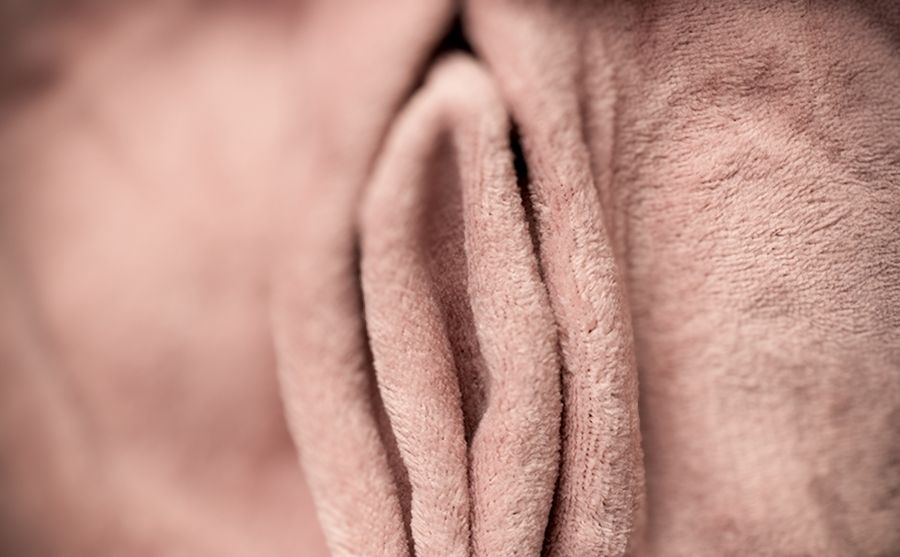
Labiaplasty is a surgical procedure that reduces and reshapes the labia minora — the inner lips of the vulva — for functional and aesthetic reasons. The goal is to correct elongation, asymmetry, or excess tissue that may cause discomfort, irritation, or self-consciousness. As with any surgery, patient safety begins with a detailed medical assessment. If no medical contraindications are found, the procedure proceeds with full attention to minimizing complications such as infection, hematoma, or delayed wound healing.
Advanced patient monitoring is utilized throughout surgery to ensure stability and comfort. Antibiotic prophylaxis is administered, and medications are used to reduce intraoperative bleeding. To prevent deep vein thrombosis, correct positioning, compression stockings, and early mobilization post-op are applied. During the procedure, excess labial tissue is removed using meticulous techniques that preserve natural contour and function. Dissolvable sutures are used, and the entire operation is carried out with extreme care to ensure a symmetrical, smooth result and a safe recovery.

How Can I Benefit From Labiaplasty Functionally And Aesthetically?
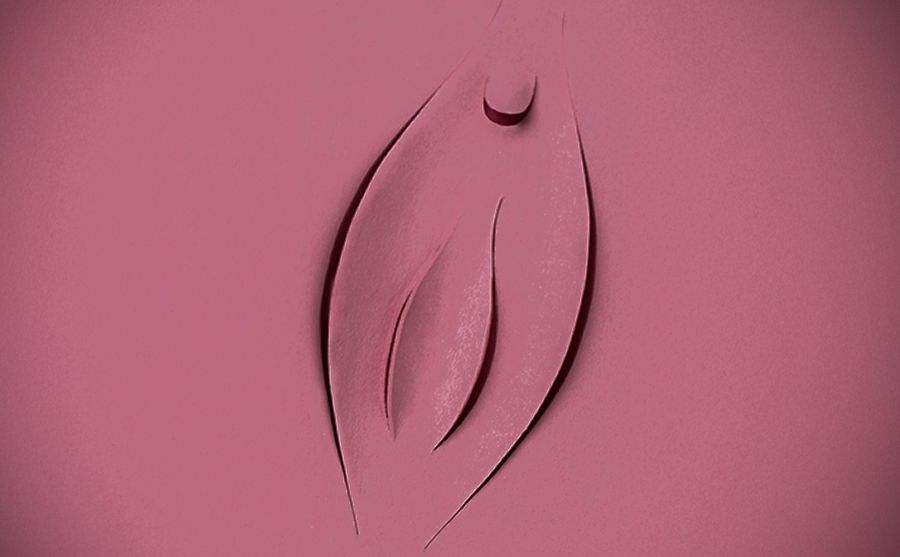
Many women experience enlarged or uneven labia minora due to genetics, childbirth, aging, or hormonal changes. This can cause discomfort during physical activity, tight clothing, or intimacy. Labiaplasty addresses these issues by carefully removing excess tissue while maintaining the natural color and edge of the labia. The result is both aesthetic and functional improvement, reducing irritation and increasing confidence.
The surgery enhances the natural appearance of the vulva and helps balance the proportions of the outer genitalia. Special care is taken during tissue removal to avoid over-resection and preserve sensitivity. For patients with additional concerns like pigmentation or skin laxity, the procedure may be combined with skin resurfacing or external tightening techniques. Each surgical plan is personalized according to the patient’s anatomy, expectations, and desired outcome. The aim is always to create a natural, harmonious look that fits the patient’s comfort and lifestyle.


“Best clinic ever !! I did a skinny bbl and they took care of us from the beginning to the end and still ask for updates about our recovery! The doctor Ersin Gonullu, the staff and the nurses are amazing, special mention for Berre who is an amazing person and a very professional and gentle nurse who loves people and loves her job! ❤️”
I am 2 months after tummy tuck, 360 liposuction and bbl. The best decision I’ve made! I have a new body, a new life! Dr. Ersin is magical! Professional, knows what he is doing and cares about his patients. I recommend to everyone
“The best surgeon in the world, very professional and very approachable. I got breast reduction and BBL.I felt accompanied at all times even after returning home. The surgery was performed in a large hospital, this also made me feel very safe.”
“Great experience, I had gynecomastia revision with skin excision by Ersin Gonullu, he was super professional and a gentleman! I was super anxious about the procedure before I got it done but it was a walk in the park, all the nurses and assistants are great too, they are all stars! Wouldn’t recommend enough”
Who Should Consider Labiaplasty?
Labiaplasty, also known as labia reduction surgery, is a procedure designed to reshape or reduce the size of the labia minora (inner vaginal lips) to improve both aesthetic appearance and physical comfort. Women who experience discomfort due to enlarged or asymmetrical labia, particularly during physical activities, sexual intercourse, or wearing tight clothing, may benefit from this procedure. Additionally, women who feel self-conscious about the appearance of their labia may seek labiaplasty to enhance their body image and confidence.
The procedure is suitable for women of various ages, often those who have completed their growth or have experienced changes due to pregnancy, childbirth, or aging. Ideal candidates for labiaplasty are generally in good overall health, have realistic expectations, and are seeking to improve their physical comfort or aesthetic appearance rather than addressing psychological concerns solely.
Types Of Labiaplasty Procedures
There are different techniques for labiaplasty, and the choice of method depends on the individual’s anatomy, the desired outcome, and the surgeon’s recommendation. The most commonly performed techniques include:
- Trim Method: In this technique, excess tissue from the labia minora is removed along the outer edge, reshaping the labia for a more aesthetically pleasing appearance. This method is ideal for patients with elongated or asymmetrical labia.
- Wedge Method: This technique involves removing a wedge-shaped portion of the labia minora from the center, preserving the natural edge of the labia. It is particularly suitable for women who wish to maintain a more natural contour.
Each technique aims to reduce labial tissue while maintaining the natural appearance of the genital area, ensuring comfort and satisfaction with the results. The specific method chosen will be based on a detailed consultation and assessment of the patient’s individual needs.
How Is Labiaplasty Surgery Done?
Labiaplasty is typically performed under local anesthesia with sedation, ensuring that the patient remains comfortable throughout the procedure. In more complex cases, general anesthesia may be used. The procedure generally takes about 1–2 hours to complete, depending on the extent of the changes being made.
During the surgery, the surgeon carefully removes excess labial tissue to create a more symmetrical and aesthetically pleasing shape. Special care is taken to avoid unnecessary damage to surrounding tissues, ensuring that the final result is both functional and natural in appearance. The incisions are placed along the labia minora’s natural contours to minimize visible scarring.
In cases where the labia majora (outer vaginal lips) are also affected, additional procedures may be performed to enhance the overall aesthetic balance of the genital area. The surgeon’s goal is to create a smooth, symmetrical appearance that reflects the patient’s desires while preserving the function and sensitivity of the labia.
Safety Measures And Preventive Care
Patient safety is paramount during any surgical procedure, and labiaplasty is no exception. Before surgery, a comprehensive medical evaluation is conducted to assess overall health, including blood tests and a physical examination. Patients with any underlying health conditions, such as active infections or uncontrolled diabetes, may need to address these issues prior to undergoing surgery.
During the procedure, advanced monitoring techniques are used to ensure the patient’s safety, including tracking vital signs and using sterile equipment to prevent infection. Postoperative care involves the use of antibiotics to reduce the risk of infection, as well as medications to manage any discomfort or swelling.
Compression garments are not typically required for labiaplasty, but patients are encouraged to follow aftercare instructions to ensure optimal healing and minimize the risk of complications. Careful attention is given to post-surgical monitoring, and any signs of infection, excessive bleeding, or abnormal scarring are promptly addressed.
Pain And Recovery Process After Labiaplasty
Recovery from labiaplasty is generally straightforward, though patients can expect some discomfort during the first few days following the procedure. Mild swelling, bruising, and tenderness are common but typically subside within 1–2 weeks. Pain is usually manageable with prescribed painkillers, and most women find that the discomfort diminishes significantly after the first few days.
The majority of patients can return to their normal daily activities within a week, though strenuous physical activity and sexual intercourse should be avoided for 4–6 weeks to allow for proper healing. It’s important for patients to refrain from activities that could put pressure on the vaginal area during the recovery process.
Patients are advised to wear loose-fitting clothing to avoid irritation and to follow specific hygiene instructions to keep the area clean and reduce the risk of infection. A follow-up appointment will typically occur within the first week to assess healing and ensure that there are no complications.
Scar Management And Final Results
One of the primary concerns for patients undergoing labiaplasty is the visibility of scars. The incisions for this procedure are typically very small and are placed along the natural folds of the labia minora, making them discreet and difficult to detect. Over time, these scars typically fade and become less noticeable, though some patients may choose to use silicone gel sheets or scar creams to improve the appearance of any residual scarring.
For patients concerned about scarring, laser treatments or other scar-reducing interventions may be considered to improve the final aesthetic result. These treatments can help minimize the appearance of scars, ensuring that the labiaplasty results are as smooth and seamless as possible.
Once healed, the labia will have a more symmetrical and aesthetically pleasing appearance, with minimal visible scarring. The results of the surgery are generally permanent, and patients will be able to enjoy improved comfort, confidence, and satisfaction.
Long-term Maintenance And Results
The results of labiaplasty are typically permanent, and most patients are pleased with their improved appearance and comfort. However, it is important to note that natural aging processes, hormonal changes, and weight fluctuations can still affect the shape and size of the labia over time. Maintaining a healthy lifestyle and avoiding significant weight changes can help preserve the results.
Patients can expect long-lasting benefits, including enhanced comfort during physical activities, reduced irritation from clothing, and improved self-confidence. Most women report feeling more at ease with their bodies and are able to wear clothing and engage in activities that were previously uncomfortable or stressful.
The psychological benefits of labiaplasty are often just as important as the physical ones, with many women experiencing a boost in self-esteem and body image following the procedure.
Combining Labiaplasty With Other Procedures
Labiaplasty can sometimes be combined with other aesthetic procedures for comprehensive genital rejuvenation. Some women may choose to undergo vaginal rejuvenation, vaginoplasty, or hymenoplasty in conjunction with labiaplasty to enhance the overall appearance and function of the vaginal area.
For women who have experienced changes in vaginal tone or pelvic floor strength following childbirth, combining labiaplasty with vaginal rejuvenation procedures can provide a more complete transformation, helping to restore both aesthetics and function. Combining procedures helps reduce overall recovery time and creates a more balanced and harmonious outcome.
Emotional Impact And Postoperative Care
Labiaplasty can have a significant positive impact on a woman’s emotional well-being, especially for those who have felt self-conscious about their genital appearance. The physical discomfort caused by enlarged or asymmetrical labia can affect a woman’s quality of life, and the procedure can restore confidence and comfort.
Patients are supported throughout the recovery process, and any concerns or questions regarding healing, scar appearance, or postoperative care are addressed by the surgical team. The emotional and psychological benefits of labiaplasty often lead to greater satisfaction with the overall results and a renewed sense of self-esteem.
How Long Should I Avoid Sexual Activity And Exercise After Labiaplasty?
Because the area is delicate and under constant movement, protection from pressure, friction, and tension is essential for several weeks. Patients are advised to avoid sexual intercourse, heavy physical activity, biking, and tight clothing for at least 6–8 weeks postoperatively. This ensures the incisions heal correctly and the risk of tearing or discomfort is minimized. During this time, proper hygiene, wearing soft clothing, and following wound care instructions are key to optimal recovery and long-term results. Patience during this healing window contributes significantly to satisfaction and surgical success.